Protein powder has become one of the world's most popular nutritional supplements, used by everyone from professional athletes and bodybuilders to runners, cyclists and people simply looking to improve their daily nutrition. Whether your goal is building muscle, supporting recovery after exercise, managing your weight or increasing your daily protein intake, choosing the right protein supplement can make a significant difference.
With hundreds of protein powders available from dozens of manufacturers, deciding which product is right for you can be confusing. Different protein sources, protein percentages, flavours and ingredients all influence how suitable a supplement is for your individual needs. This guide explains everything you need to know before buying protein powder, helping you compare products with confidence.
Why Protein Is Important
Protein is one of the three essential macronutrients required by the body, alongside carbohydrates and fats. It plays a vital role in building and repairing muscle tissue, maintaining healthy bones, producing hormones and enzymes, supporting immune function and contributing to normal growth and development.
Although most people obtain protein through foods such as meat, fish, eggs, dairy products, beans and pulses, many active people choose protein supplements as a convenient way of increasing their daily intake without preparing additional meals.
Who Can Benefit from Protein Powder?
Protein supplements are no longer aimed solely at bodybuilders. Today they are widely used by recreational gym users, endurance athletes, cyclists, runners, older adults looking to maintain muscle mass and busy professionals who struggle to consume enough protein throughout the day.
Protein shakes also make a convenient snack between meals and can help support healthy eating plans when combined with a balanced diet and regular exercise.
Understanding the Different Types of Protein
One of the biggest decisions when buying protein powder is choosing the protein source.
Whey Protein
Whey protein is the most popular option and is produced during the cheese-making process. It contains all nine essential amino acids and is rapidly absorbed by the body, making it a popular post-workout choice.
Whey Protein Concentrate
Protein concentrate is generally the most affordable form of whey. It typically contains between 70% and 80% protein while retaining small amounts of carbohydrates and fats.
Whey Protein Isolate
Protein isolate undergoes additional filtration, resulting in a higher protein percentage with reduced fat and lactose. This makes it popular with people looking for maximum protein intake or those who are mildly lactose sensitive.
Hydrolysed Whey
Hydrolysed whey has been partially broken down into smaller peptides, making it easier to digest and absorb. It is commonly found in premium sports nutrition products.
Casein Protein
Casein digests much more slowly than whey protein, providing a gradual release of amino acids over several hours. Many people choose casein before bed or during long periods without food.
Plant Protein
Plant-based protein powders have grown enormously in popularity. Pea protein, soy protein, brown rice protein and hemp protein all offer excellent alternatives for vegetarians, vegans or anyone avoiding dairy products.
Protein Content per Serving
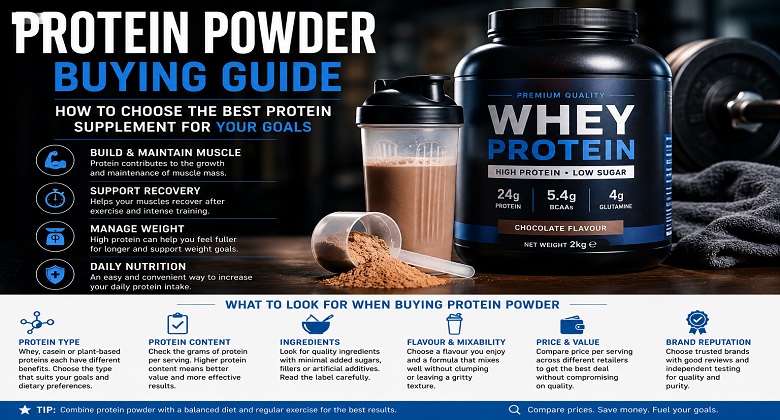
Many shoppers focus solely on the size of the tub, but protein content per serving is far more important. A quality protein powder should clearly state how many grams of protein are provided in each serving along with the number of servings contained in the tub.
Comparing protein percentage rather than just tub size provides a much better indication of value for money.
Additional Ingredients
Modern protein powders often include additional ingredients designed to support performance or recovery. These may include digestive enzymes, probiotics, added vitamins and minerals, electrolytes or amino acids such as BCAAs and EAAs.
Some products also contain creatine or carbohydrates to create complete post-workout recovery formulas.
Flavours and Mixability
Protein powders are available in an enormous variety of flavours including chocolate, vanilla, strawberry, cookies and cream, salted caramel and many seasonal editions. Mixability is equally important, with high-quality products dissolving easily in water or milk without becoming lumpy.
Customer reviews often provide valuable insight into flavour quality and how well a product mixes.
Choosing the Right Protein for Your Goal
- Building muscle: Whey protein or whey isolate.
- Weight management: High-protein, lower-calorie formulations.
- Recovery: Whey combined with carbohydrates or added amino acids.
- Vegan lifestyle: Pea, soy or blended plant proteins.
- Night-time use: Casein protein.
Comparing Prices
Prices vary significantly between retailers, even for identical products. Comparing multiple stores can often save a considerable amount of money, particularly when buying larger tubs or multipacks. Looking at price per serving rather than simply the shelf price is often the fairest way to compare value.
Final Thoughts
The best protein powder depends on your individual goals, dietary preferences and budget. By understanding the different protein sources, comparing nutritional information and shopping around for the best prices, you can find a supplement that supports your fitness journey while providing excellent value for money. A little research before buying can make a significant difference both to your results and your wallet.